
Pool Fencing Hervey Bay
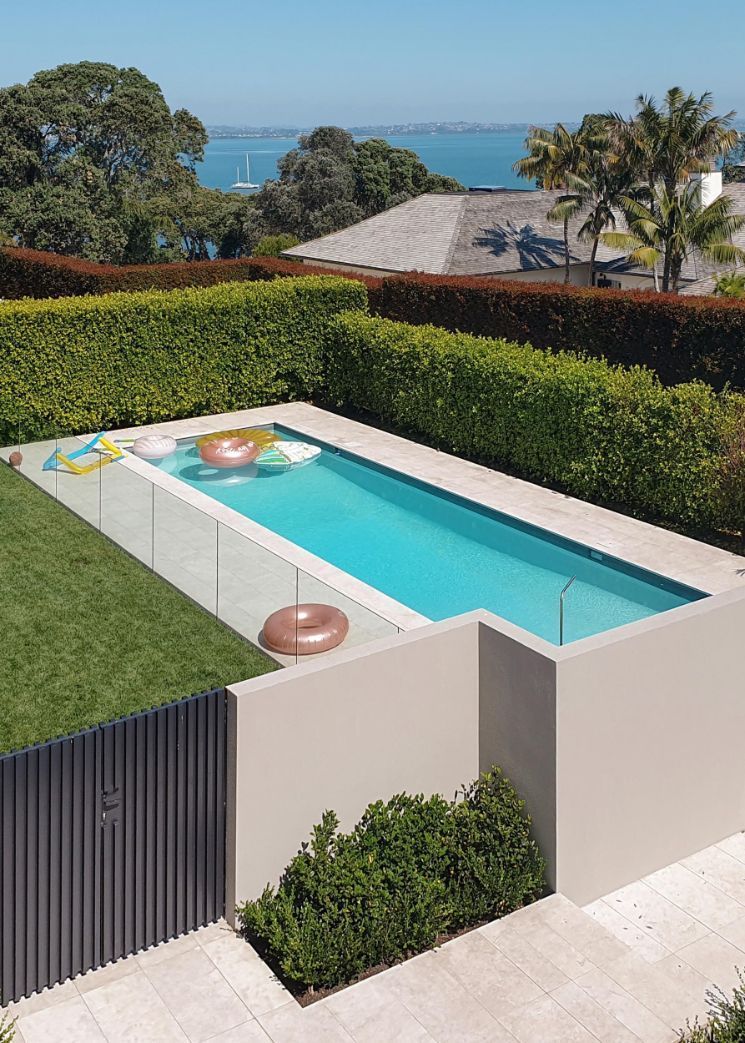
Stylish & Secure Pool Fencing Solutions
DC Fencing offers premium pool fencing in Hervey Bay, providing secure and stylish solutions for homeowners, businesses, and property managers. As experienced fencing contractors with over 50 years of combined industry knowledge, we supply and install aluminium and glass fencing designed to meet Australian safety standards. Whether you're looking for a frameless glass pool fence for a sleek and sophisticated look or a durable aluminium option, we’ve got you covered.
Our team also provides a wide range of fencing services, including
Colorbond fencing,
timber fencing,
balustrades,
gates, and
custom fabrication. All aluminium fencing is manufactured onsite, while our glass pool fences are sourced from trusted supplier Glass Outlet. We ensure every fence is installed with precision and care, offering long-lasting performance and safety. For a free quote, call us today at
0407 121 879.
Expert Fencing Contractors Servicing Hervey Bay & the Fraser Coast.
Aluminium or Glass Fencing
When selecting pool fencing, aluminium and glass are both excellent options, each with unique advantages. Aluminium pool fencing is lightweight, corrosion-resistant, and low maintenance, making it a durable choice for Australian weather conditions. It can be installed quickly and is an affordable option for many property owners.
Glass pool fencing, available in frameless designs, creates a sophisticated and modern look while providing uninterrupted views of your pool area. It is easy to clean and blends seamlessly with any outdoor space. Both options enhance pool safety, but the choice depends on your aesthetic preferences and budget.
Our expert team at DC Fencing in Hervey Bay will help you decide on the best solution for your property. With high-quality materials and professional installation, we ensure your pool fence not only meets safety regulations but also enhances your outdoor area. Contact us today to discuss your needs.
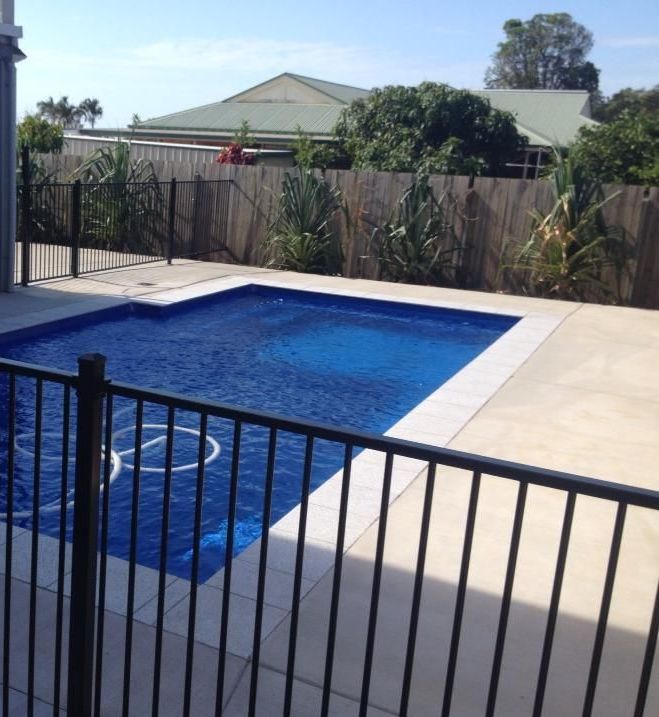
Frequently Asked Questions
How high does a pool fence need to be?
Under Australian Standard AS 1926, pool barriers must be at least 1200mm high when measured from the finished ground level on the outside of the fence. This height requirement is designed to prevent young children from climbing over the barrier and accessing the pool unsupervised. The standard also specifies that there should be no footholds or handholds within 900mm of the top of the fence that could assist climbing. It's important to note that local council regulations may impose additional height requirements, so it's always worth confirming the specific rules that apply to your property before installation begins.
Can pool fencing be installed on an uneven surface?
Yes. Most pool fencing systems can be adapted to suit uneven or sloped ground. For aluminium fencing, panels can often be raked or stepped to follow the contour of the land. Glass fencing can also be installed on sloped surfaces, though it typically requires more precise planning and installation. It's important that the fence still meets the minimum height requirements at every point along its length, regardless of changes in ground level. An experienced fencing contractor will assess the site before installation and recommend the most suitable approach to ensure both compliance and a clean, consistent finish across the entire pool barrier.
Do pool gates need to be self-closing and self-latching?
Yes. Australian standards require all pool gates to be both self-closing and self-latching. This means the gate must automatically return to a closed position after being opened and latch securely without any manual intervention. The latch must also be positioned on the inside of the gate or at a height that is out of reach of young children. Gates that open inward toward the pool are generally preferred, as this makes it harder for a child to push the gate open from outside. Regular checks of gate mechanisms are recommended to ensure they continue to function correctly and maintain compliance with safety standards over time.