
Timber Fencing Fraser Coast
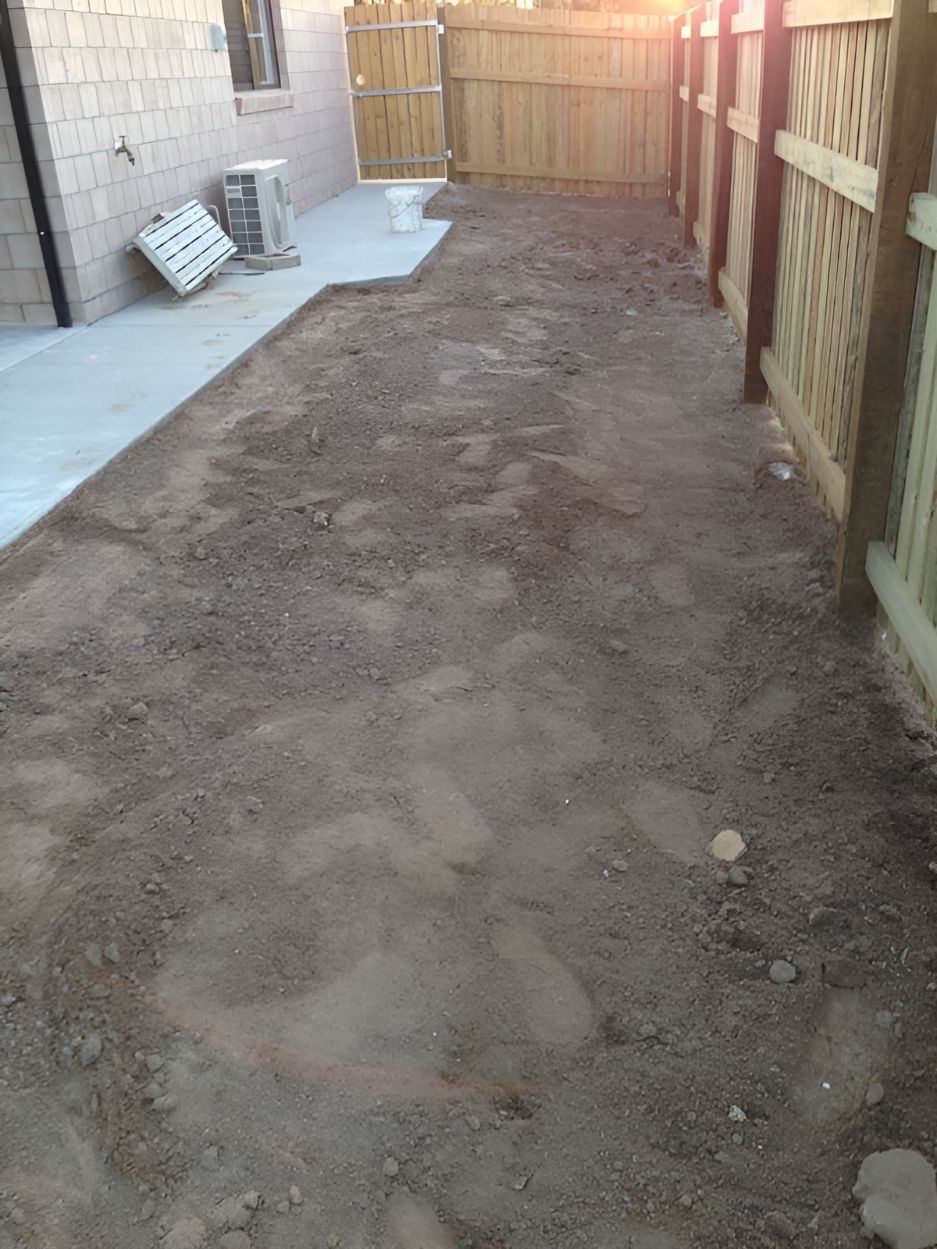
Natural Timber Fencing
There's a reason timber fencing has remained a popular choice for generations. It brings warmth, character, and a natural finish that suits everything from suburban backyards to rural acreage. DC Fencing supplies and installs quality timber fencing across the Fraser Coast, drawing on more than 50 years of combined industry experience to deliver results that are as practical as they are good-looking.
We offer a range of styles including traditional butted, spaced, lapped and capped, and back-to-back designs, giving you the flexibility to choose a finish that suits your property and your privacy needs. All timber is locally sourced and treated to handle Queensland's climate, ensuring your fence holds up season after season without premature deterioration.
Alongside timber fencing, our team also installs Colorbond fencing, pool fencing, gates, balustrades, and more. Give us a call on 0407 121 879 to discuss your project and get a free quote.
Fencing the Fraser Coast with Style & Strength
A Timeless Option with Practical Appeal
Timber fencing works equally well across a wide variety of property types. For homeowners, it creates defined, private outdoor spaces with a natural aesthetic that complements gardens and landscaping. For rural properties, it offers reliable boundary definition across larger areas. For businesses, it provides a welcoming and professional appearance that still delivers the security and separation needed.
One of timber's great strengths is how adaptable it is. It can be stained or painted to match your existing colour scheme, adjusted in height and spacing to suit your privacy requirements, and styled in a number of ways to achieve very different looks from the same base material. When sourced and treated correctly, it's also a genuinely durable product that resists termites and decay for years.
DC Fencing takes pride in getting the details right on every timber installation across the Fraser Coast. From the initial consultation through to the final post, our team is focused on delivering a fence that does its job well and enhances your property in the process. Contact us today to get started.
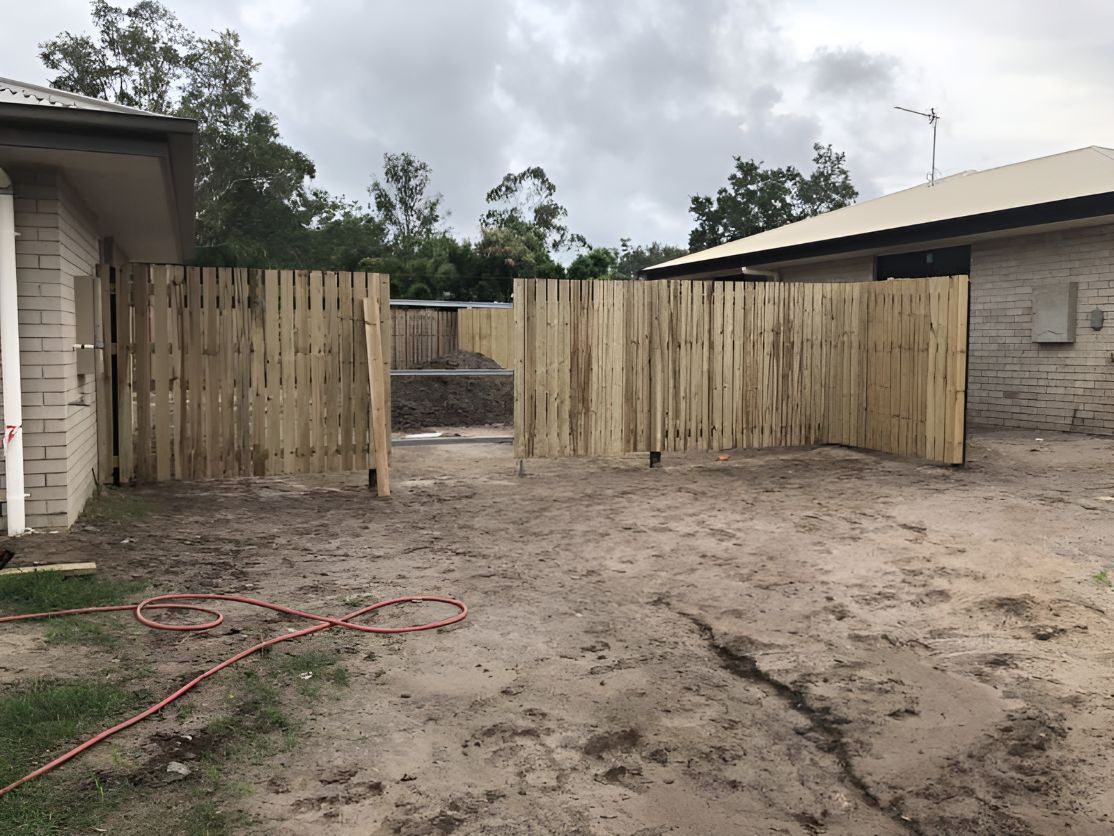
Frequently Asked Questions
What types of timber are commonly used for fencing?
A range of timber species are used for fencing in Australia, each with different characteristics in terms of durability, appearance, and cost. Hardwoods such as ironbark, spotted gum, and merbau are popular choices for their natural durability and resistance to rot and insect attack. Treated pine is a widely used and more affordable softwood option that has been pressure-treated with preservatives to extend its working life outdoors. Cypress pine is another option valued for its natural resistance to termites. The best timber choice for a fencing project depends on the local climate, soil conditions, intended fence style, and budget. A knowledgeable fencing contractor can advise on the most suitable species for your specific application.
How long does timber fencing last?
The lifespan of a timber fence depends on the species used, how it has been treated, the local climate, and the level of maintenance it receives over time. Hardwood fences that are properly maintained can last upwards of 20 to 25 years in many conditions. Treated pine typically offers a working life of 15 to 20 years when correctly installed and maintained. Factors such as soil contact, drainage, and exposure to moisture significantly affect how quickly fence posts and palings deteriorate. Regular inspections and timely repairs, along with appropriate staining or sealing, can meaningfully extend the life of a timber fence. Investing in quality materials and professional installation from the outset also contributes to a longer-lasting result.
Does timber fencing require a lot of maintenance?
Timber fencing requires more maintenance than materials like Colorbond or aluminium, but the level of upkeep needed depends on the timber species, the finish applied, and the local environment. At a minimum, a timber fence should be inspected annually for signs of rot, insect damage, warping, or loose fixings. Painting or staining the fence every few years helps protect the timber from moisture and UV damage while maintaining its appearance. Posts set in the ground are particularly susceptible to rot and should be checked regularly. In humid or high-rainfall areas, more frequent maintenance may be needed. While the maintenance commitment is greater than for some alternatives, many property owners value the natural aesthetic that timber provides.